
That is the question
After my first attempt at buying a kit failed, I decided to put the ebike idea away. But the algorithm’s gonna algorithm, and I started seeing ebike content on my YouTube feed, which led me to more window shopping I’ve always like the look of minibike-styles ebikes from Super 73 and others. A couple of years ago, we stumbled about this mini rally of Onyx ebikes and I was smitten:
Alas, I don’t think Onyx is around anymore, but this Ride1Up Revv1 looks totally rad too.
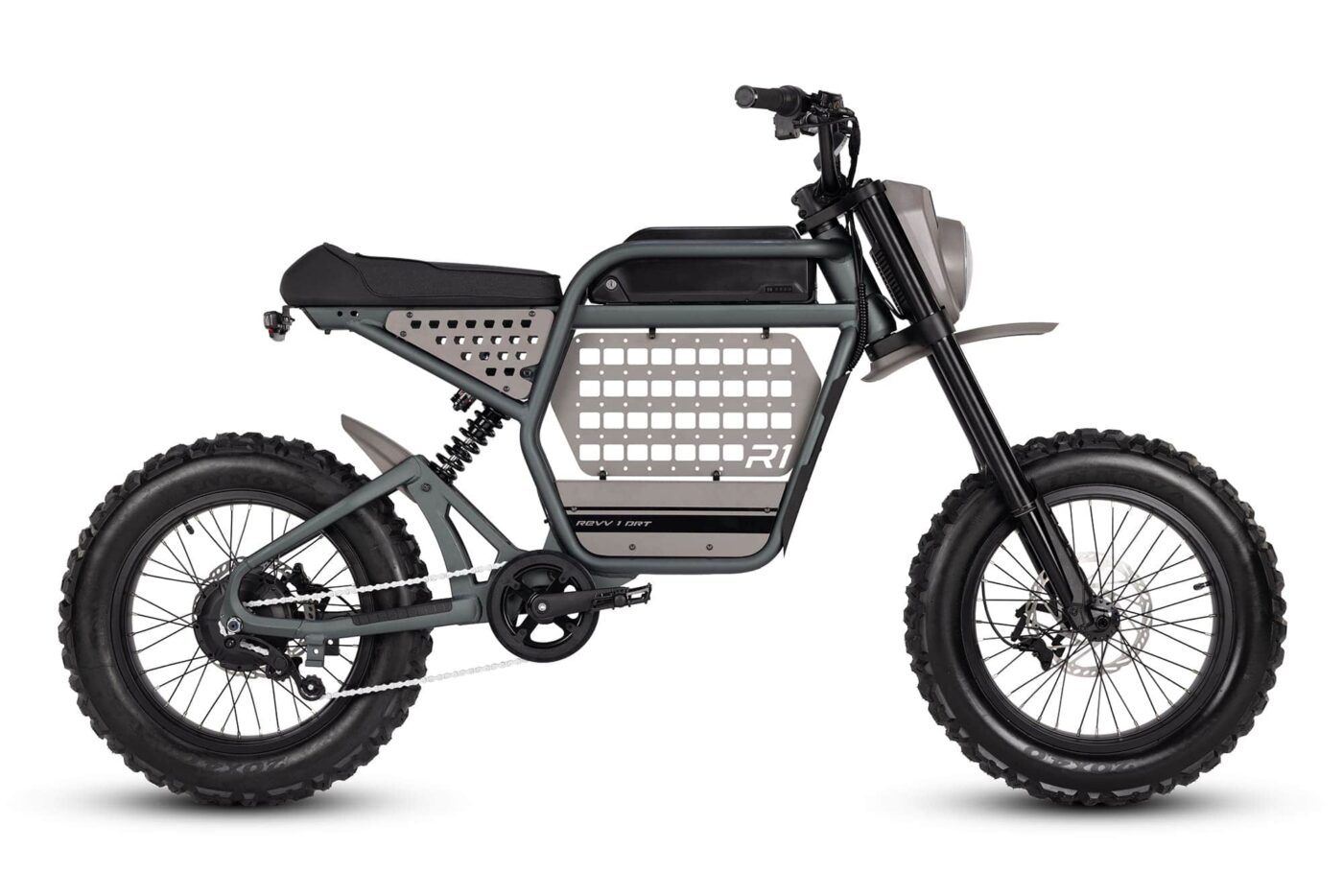
But as cool as the Revv1 looks, I’m looking for something that I could use for trips to the grocery, Italian deli, and Ace Hardware, however. And, to be honest, the pedals on ebikes like this are akin to the pedals on mopeds from the 1970s and 80s – not really there for pedaling but instead to ride through a loophole in the law. I was looking for something more bicycly, with a height adjustable saddle and gears.

The Segway MuXi really caught my eye in as utilitarian chic kind of way. and the specs were unique – wide 20″ wheels, single speed paired with a 700w rear hub motor, 80 mile range, headlight/taillight, regenerative braking, hill start assist (like Subarus), optional dropper post (great for multiple riders) and even traction control. The single speed raised an eyebrow, but reviews were pretty positive.
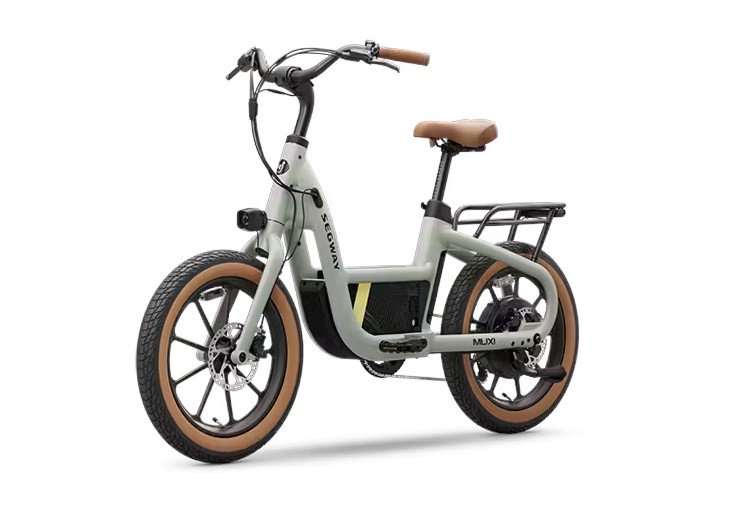
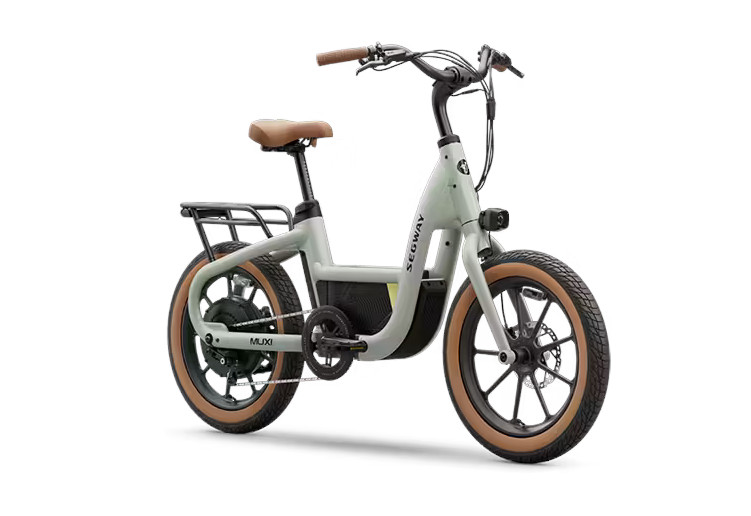
I could see hauling groceries with the MuXi, and I even thought that I might be able to give A. a lift home from the train station once in a while with it. Sadly, the rear rack is child-sized. Still, it was high on my list. The base price was $1,700, but with accessories was closer to $2,000. Would I really use it enough?
But then I looked at the weight – over 70 lbs. Yikes. That’s not egregious – there are many ebikes in that weight range. But it doesn’t work for my use case, where the bike would live in a bike shed with an approximately 9″ lip that the 70+ pound bike would have to be lifted over every time I wanted to use it. I certainly could use the upper body workout, but I think I’d tire of the chore.
Similarly, I can’t imagine someone living in an apartment wanting to lift 70 pounds plus whatever groceries and whatnot they have on a regular basis. Even putting a bike as heavy as the MuXi or two on a bike rack could be a chore.
It was a bit unnerving researching products in an industry whose brands I was completely unaware of. The established bicycle brands like Trek, Specialized, Canyon, and others have ebikes, but there are a seemingly infinite number of other brands that I had never heard of, very few of them more than 10 years old, and no guarantee of half of them being around tomorrow. And I wasn’t even going on Amazon, which seems awash in cheap and cheerful ebikes of all shapes and sizes.
I pendulumed away from heavier and high powered ebikes, towards lightweight ebikes and stumbled upon another bike from Ride1Up, Roadster V3.
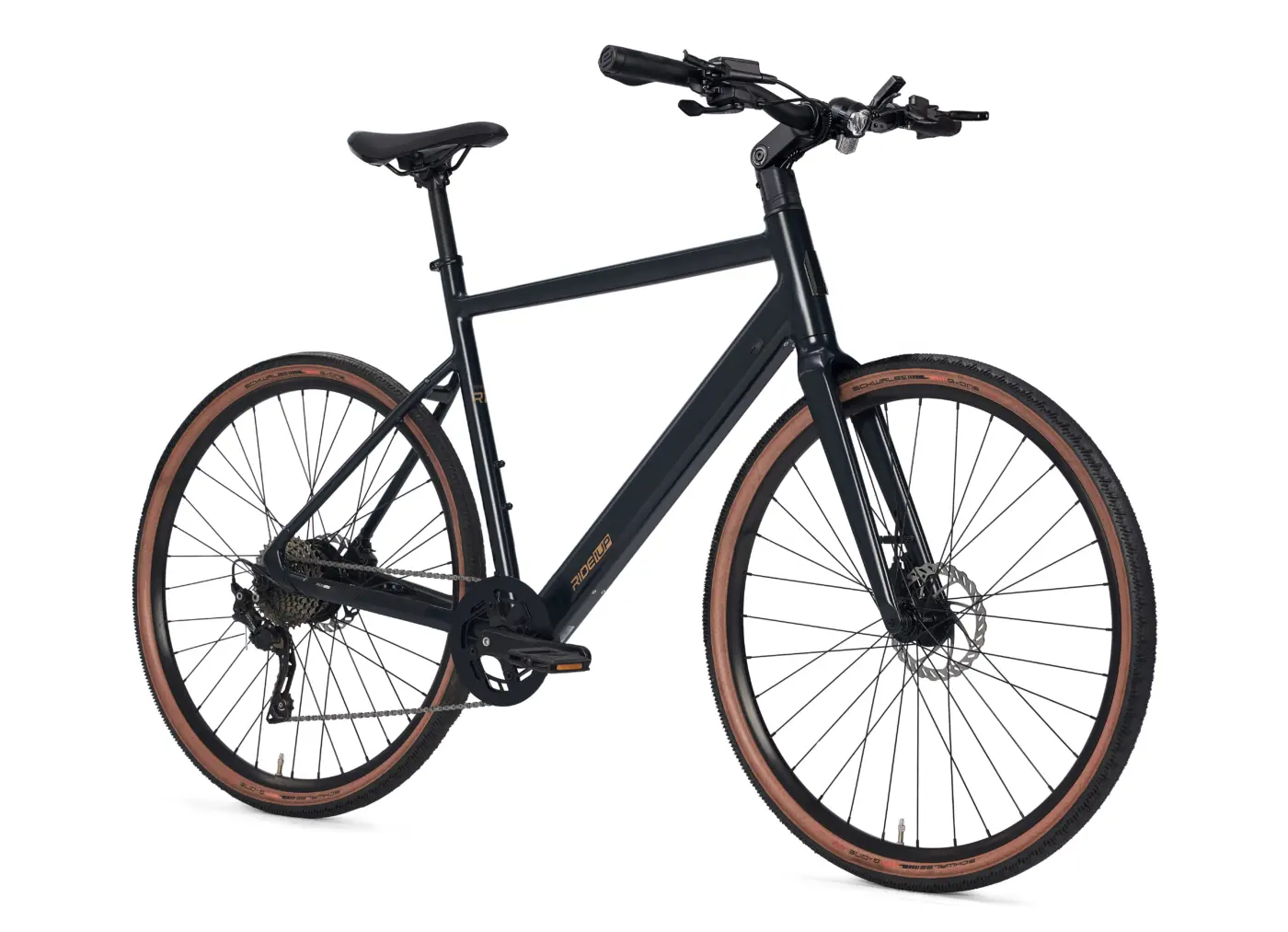
Now we’re talking! Svelte like a flat bar gravel bike, clean lines, a removable battery, and did I say svelte? Well, sveltish, at least; the downtube, where the battery is hidden, looks like a 90s era Cannondale. Still, they claim that the Roadster V3 weighs around 40 pounds, which is light for an ebike. Curiously, the website says that the small, medium, and large all weigh 40 pounds, which is kinda sus. But the reviews are all pretty positive, with many testers trying the bike out on gravel. Testers also noted the now-removable battery, an improvement over previous models,
The specs seemed good – 500 watt hub motor, 10Ah battery, 36V controller (these numbers are finally starting to make sense to me), torque sensor, 9-speed 1x drivetrain, fenders, and lights for $1,400 seems like a good value. And for $95 more, a front suspension fork.
The Roadster V3 was added to the cart, where it languished as I cross shopped and fed my frugality – how much it would cost to buy a kit and install it on one of my bikes? In a word…much cheaper. And the more I researched, the more I realized how little I knew about ebikes. Somewhere between bicycles and motorcycles, it was blue ocean for me, and I realized that the best way to really learn about them was to build, not buy.
Now that I decided to build, the next question was, “Build what?”
There are two types of build kits – hub drive and mid-drive. Hub drive (like the Swytch that I nearly purchased) have the electric motor in one of the wheels. You buy a kit, replace one of your wheels with the motor/wheel, hook up the battery, and go. They are very popular because they are simple to make; the Segway and Ride1Up bikes mentioned are all hub drive.
Mid-drive kits have the motor connected near the pedals (bottom bracket) of the bike, and use the chain to transfer power to the rear wheel, just like pedaling. Using the bike’s gearing helps mid-drive motors climb hills more easily without overheating. Mid-drive motors stress the chain more, which they do, and you can’t get home on throttle if the chain breaks (also true). But I have some roadside repair experience, including dealing with broken chains, so I can live with that risk.
Appreciating the mechanical advantages of gearing, I chose to buy a mid-drive motor. But which one?
As I was researching, I was learning with each Reddit and forum post and YouTube video. I like learning, and one of the things that seemed desirable was a torque sensor that delivered power based on how hard you are pressing on the pedals. The biggest player, Bafang, relied upon a cadence sensor, which some say is less natural feeling. I think that I wanted something with a torque sensor, so Bafang was out.
The other major players with torque sensors was Tongsheng (cheaper) and CYC (expensive). And there was a newer upstart, ToSeven. I had read/watched some really good things about ToSeven, and really critical things too. But their smaller motor, the DM02, seemed to be an affordable path.
It’s taken me a while, but I know my decision making process involves doing a ton of research, and then getting tired of doing more research and making an impulse decision, which isn’t really an impulse decision if I’ve processed the stuff that I researched. In a way, it’s me kind of concluding that more information isn’t going to significantly change things. Or it’s just impatience. Either way, after weeks of research, I decided to buy a ToSeven DM02 mid-drive kit. So where do I buy it?
That’s a whole ‘nother layer of newness. You can’t pick up a ToSeven from REI or BestBuy or Amazon. The ToSeven website doesn’t name their authorized US dealers (mistake, ToSeven, if you’re reading this) but you can buy on AliExpress.
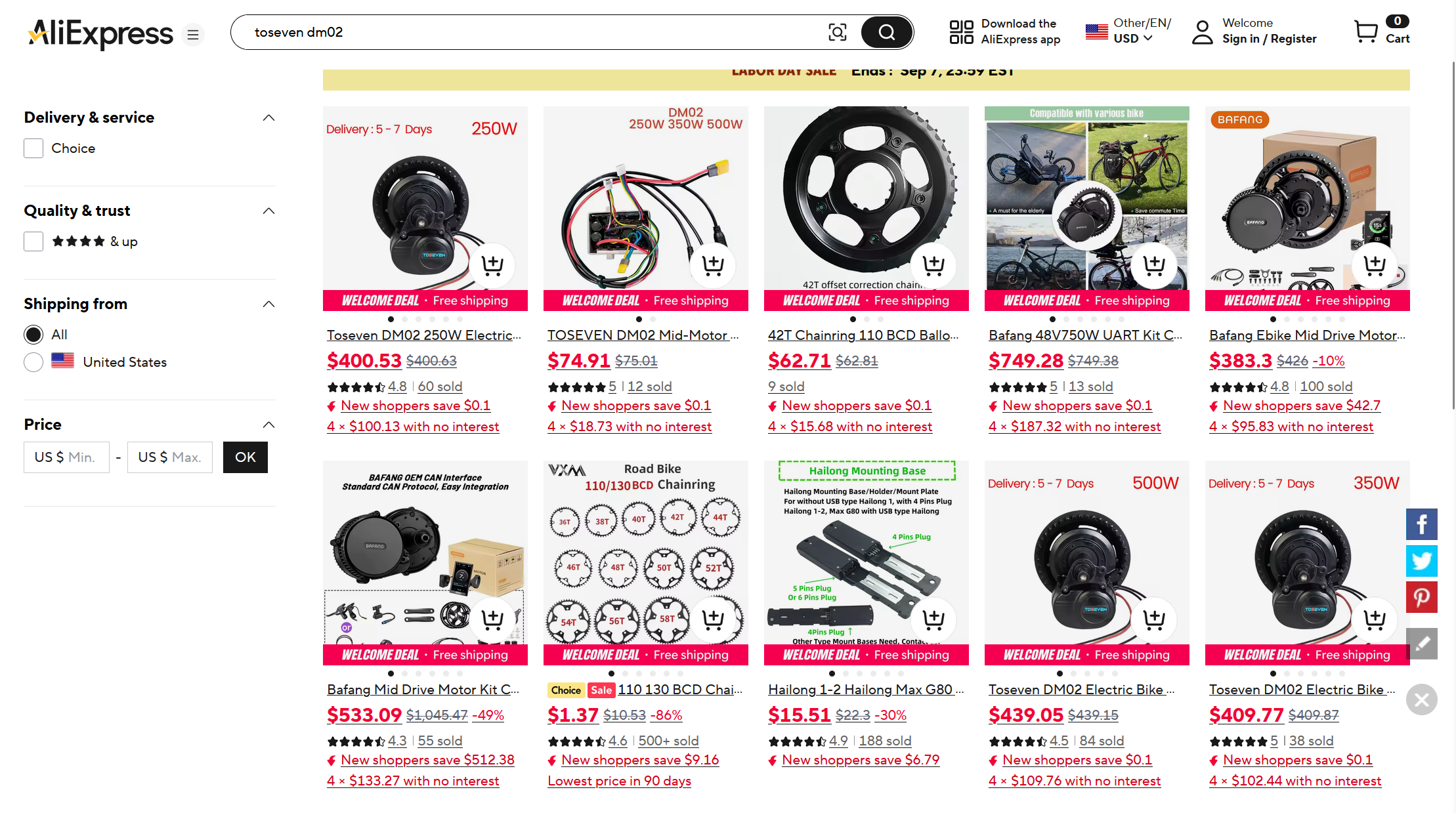
If you’ve never ordered from AliExpress, it can be kind of confusing and intimidating. I’m wary of ordering from there, especially when I’m unsure of what I’m getting, simply because I perceive customer service and returns to be more difficult than domestic marketplaces.
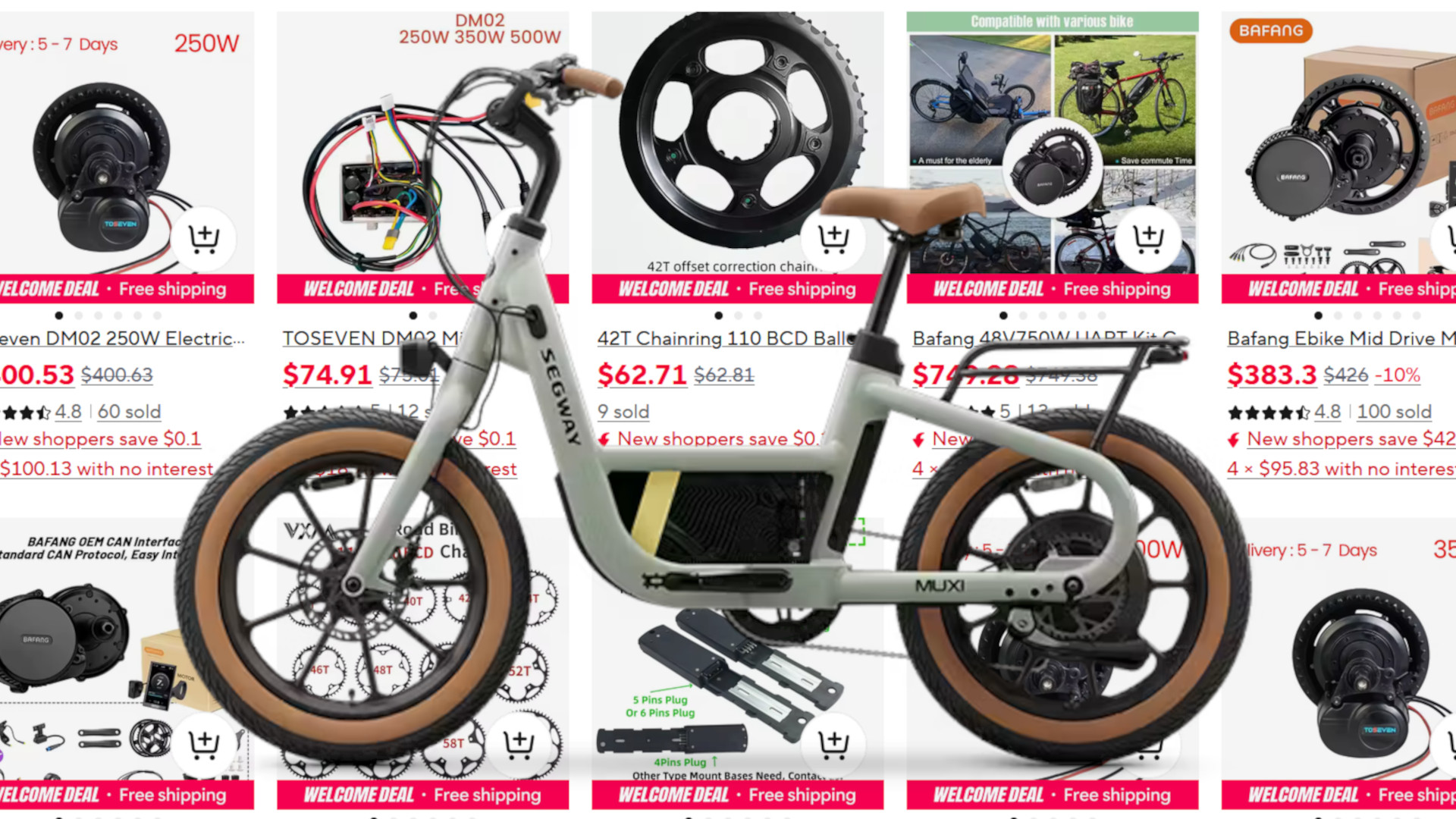
I managed to filter through all of these options to get to what I think I want to buy, only to presented with more options on the product page:
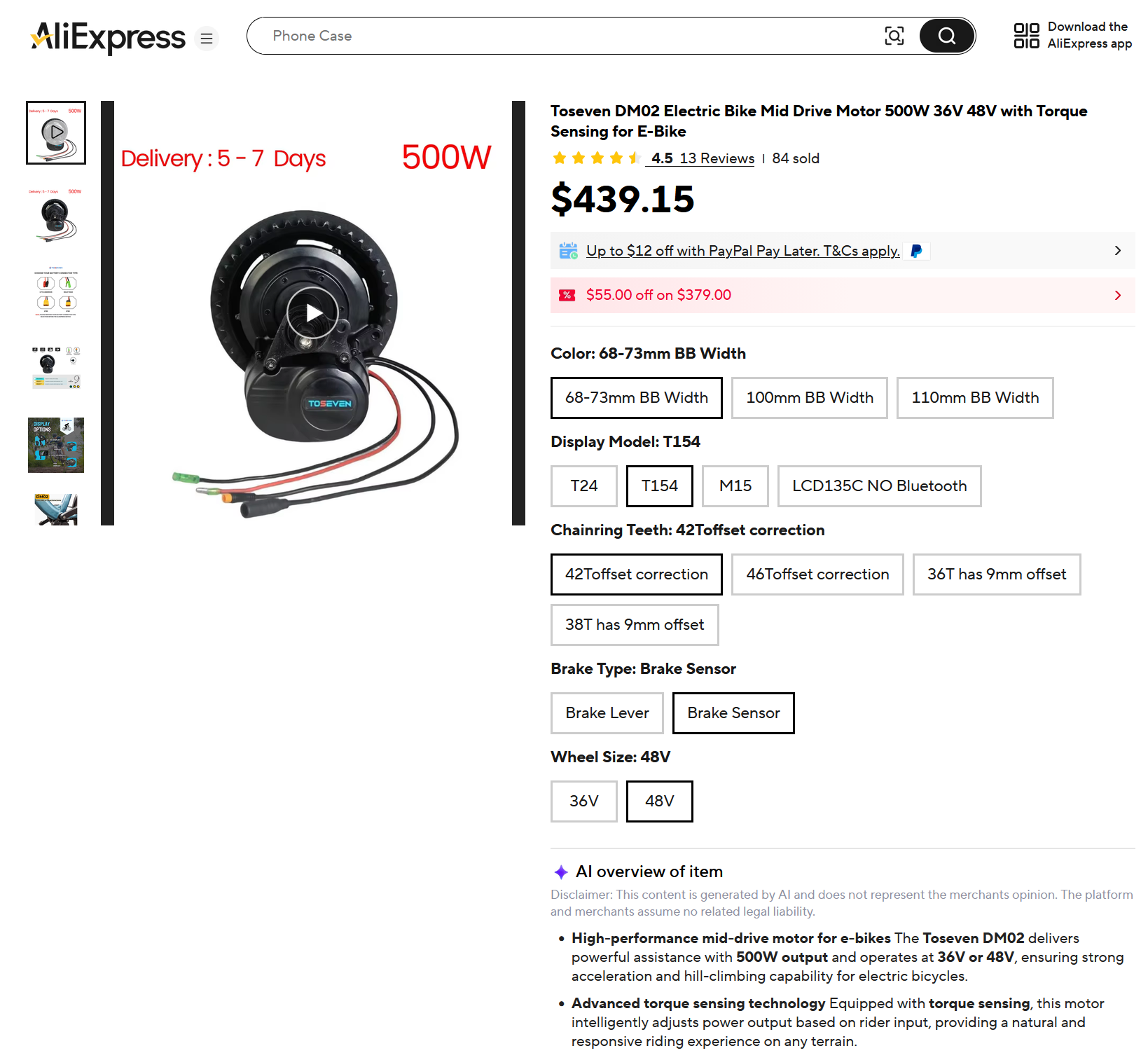
For someone who’s played with mid-drive motors before, this looks like control and customizability. For me, a noob, this looks like a lot of places to make a wrong decision. Thankfully, I found a place that understood that this complexity could be confusing, and kept things simple. MidDrives, in Palm Coast Florida, sells a kit with pretty much everything that I need. This felt like the less risky choice.
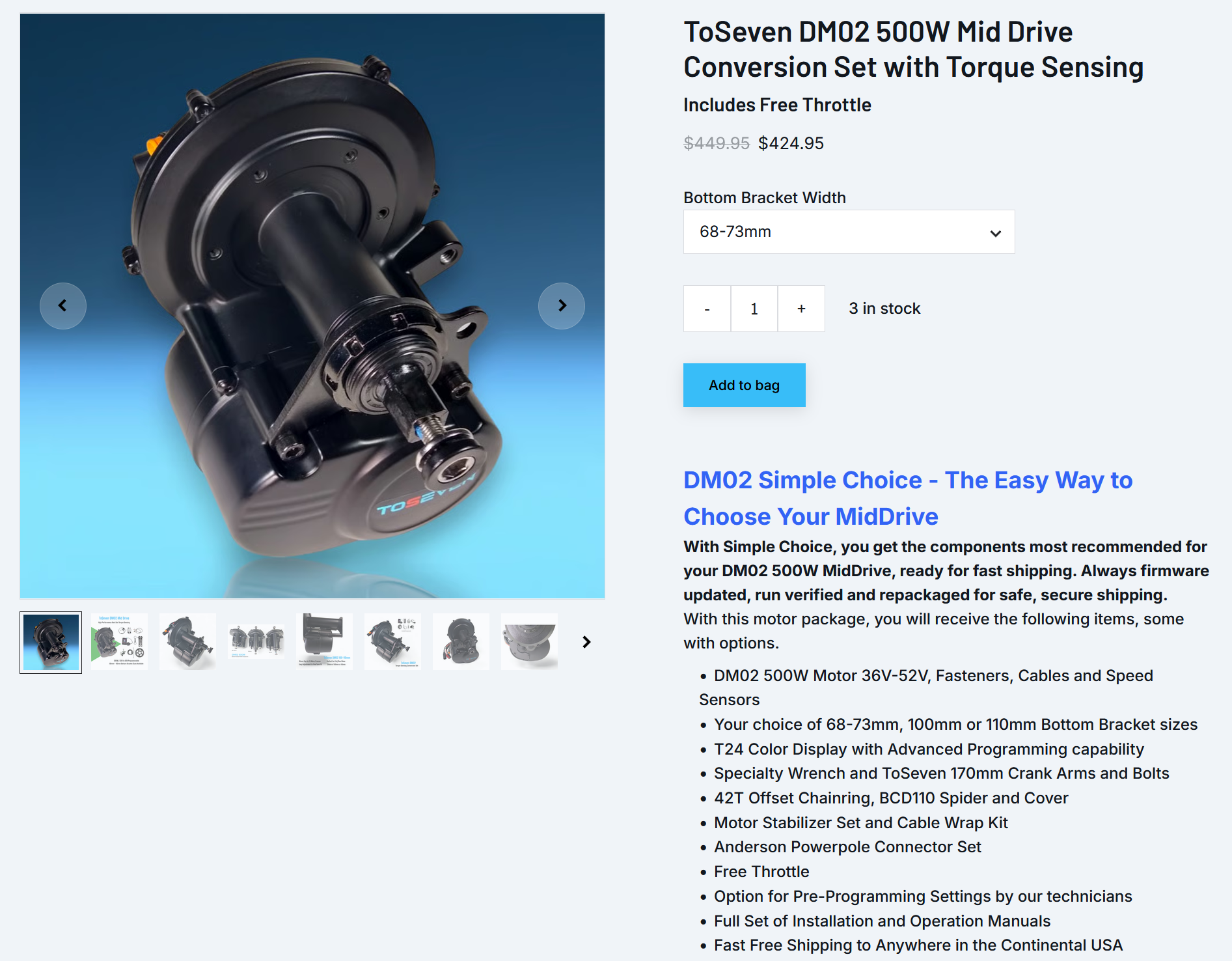
Add to cart. Submit. Email confirmation. Your order is on its way! Again. I think.
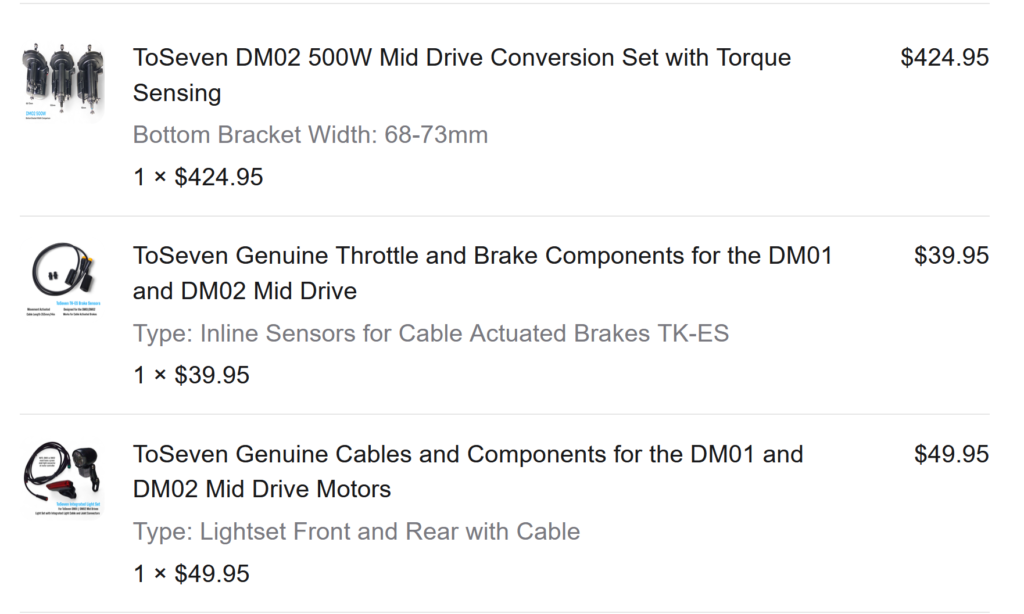
And if everything arrives ok, I’ll start building my high school science project. As people born in the 1900s say, stay tuned.
Leave a Reply